Perfecting the skill of at-home hair cutting requires more than just basic shears and a mirror. It requires understanding hair type, growth patterns, and the correct application of grooming tools. With the growing popularity of at-home grooming services, many individuals are deciding to maintain their haircuts and facial hair without going to a professional salon. This approach can reduce time and encourage consistent maintenance when done correctly. Developing strong technique and investing in high-quality barbering equipment can lead to a flawless styling session that looks well-executed and polished.
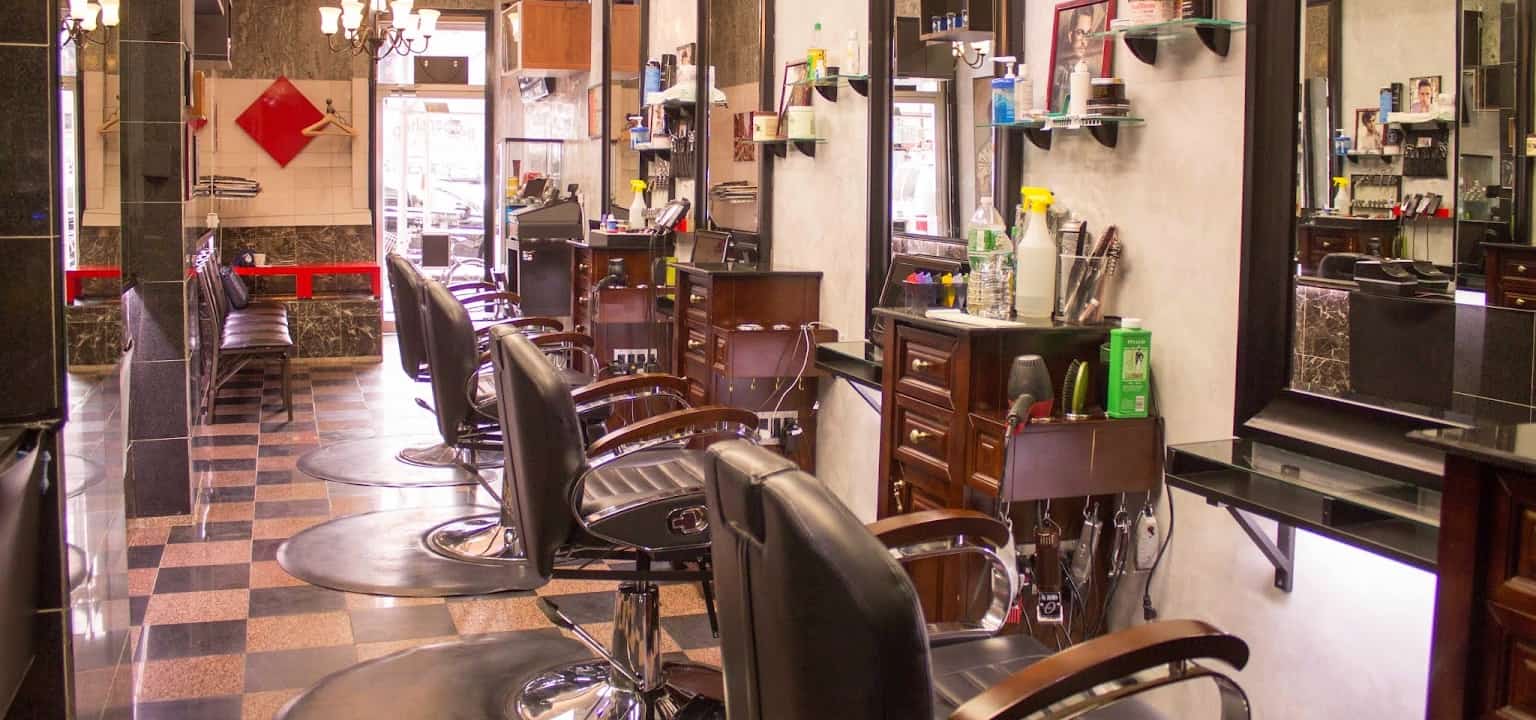
A well-prepared home barbering station begins with professional-grade clippers and trimmers. Powered hair clippers with multiple guard sizes provide precise management over hair length and layer transitions. Battery-powered models provide flexibility and greater control of movement, while corded versions deliver consistent power during longer cutting periods. In addition, sharp barber scissors are necessary for refining edges and refining sections. A precision trimmer is also useful for shaping facial edges, cleaning up the neckline, and grooming facial hair. Using durable grooming tools enhances accuracy and limits uneven results.
Preparation plays a critical role in producing consistent outcomes. Clean, fully dried hair is simpler to cut and visit here shape because it shows the natural lay and density. Before starting, it is important to detangle the hair to remove tangles and spot areas that may require extra attention. Setting up a well-lit area with a handheld mirror helps with checking the back and sides of the head. A protective cape or towel keeps loose hair off garments and prevents discomfort. These simple setup measures support a seamless grooming routine and reduce common errors.
Proper technique and patience are required for professional-looking results. Trimming small portions at a time provides for better control and cleaner transitions. When operating clippers, moving against the grain of hair growth ensures an uniform finish. Fading and tapering involve gradual adjustments in guard length to create a natural shift between different hair lengths. Frequently reviewing symmetry on both sections of the head helps maintain balance and shape. Pausing for short pauses to assess progress from various perspectives can prevent excess trimming and asymmetrical lines.
Maintenance of grooming equipment is just as important for long-term success. Sanitizing cutting blades after each session removes hair buildup and reduces contamination. Applying blade oil limits wear and increases the lifespan of equipment. Careful organization in a clean space keeps tools in good shape and prepared for upcoming use. By combining the right equipment, thorough setup, and consistent technique, at-home grooming becomes an effective and dependable personal care routine. browse around this web-site With practice and focus to precision, at-home hair cutting can consistently deliver an impeccable and well-groomed look.